




This Type Of Meat Is Best For Muscle Growth After Workouts

This type of meat is best for muscle growth after workouts

A new study has revealed that lean pork boosts muscle-protein synthesis more than high-fat pork, despite having the same protein content

HAS ANYONE EVER told you that when it comes to muscle growth, protein content is all that matters? Everyone talks about hitting their protein goals and nailing their macros, but according to new research, there’s more to it than eating as much protein as possible.

A new study published in The American Journal of Clinical Nutrition by researchers at the University of Illinois suggests that the type of meat and how lean it is could play a major role in how effectively your muscles recover and grow.

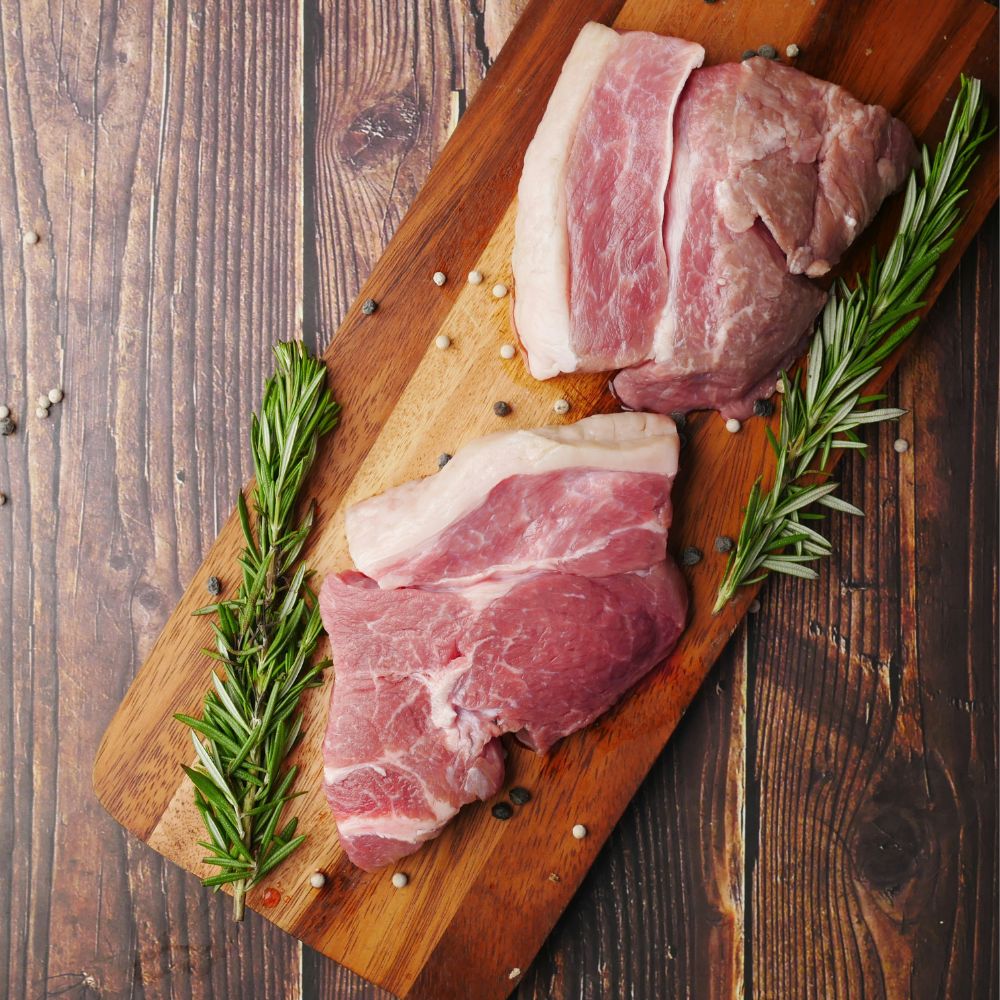
The study found that lean pork triggers greater muscle-protein synthesis (the process responsible for repairing and building muscle tissue) than a higher-fat pork alternative. The team recruited young, healthy adults who performed resistance exercises and then consumed meals containing either lean pork or a higher-fat version of the same cut. The results were clear: those who ate the leaner pork showed a significantly higher rate of muscle-protein synthesis in the hours following their workout.

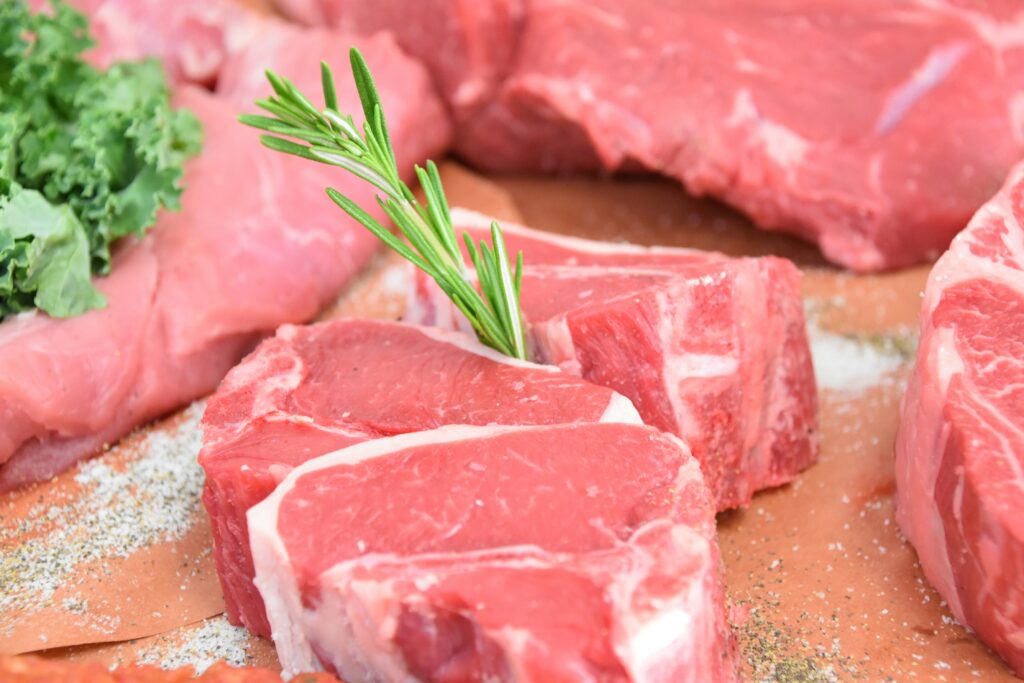
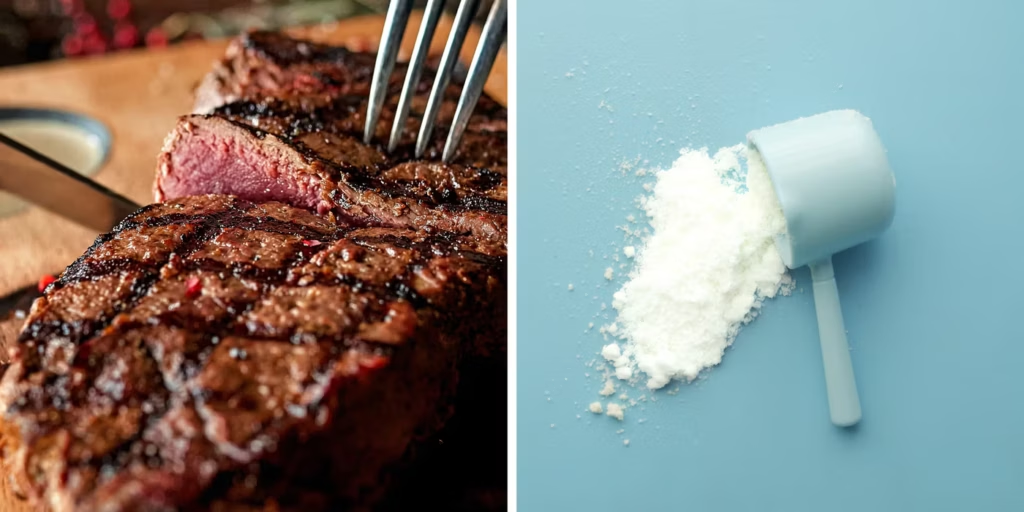
Best meat for muscle growth
Image: Unsplash

“Our findings demonstrate that not all animal proteins are equal in their ability to stimulate muscle growth,” said Nicholas Burd, a professor of kinesiology and community health and senior author on the study. “Even small differences in fat content can influence how efficiently the body uses dietary protein after exercise.”

Muscle-protein synthesis is the biological mechanism that turns your post-workout nutrition into real gains. When you lift weights, you create tiny tears in your muscle fibres. Protein provides the amino acids your body needs to repair those tears and make the muscle stronger than before.

This study suggests that lean meats may optimise that process by improving how efficiently those amino acids are absorbed and utilised. The researchers believe higher fat content might slow digestion, altering the delivery of amino acids to muscles and reducing the body’s ability to rebuild tissue efficiently. In other words, the same protein source and content, but with different fat content, can lead to different results.

While fattier cuts of meat have their place (flavour will never go out of style), the evidence suggests leaner options might give your muscles a measurable edge after strength training. It also reinforces a broader message in sports nutrition that not all proteins behave the same way once they hit your system.

If you’re serious about recovery, try rotating lean meats like pork tenderloin, chicken breast or lean beef into your post-workout meals. Pair them with complex carbs for glycogen replenishment and a small amount of healthy fats to support hormone balance.

“Our goal is to help people make informed protein choices,” Burd added. “Understanding how the composition of your food affects your body’s response can help you tailor your diet to support your training goals.”

This study is a reminder that the cut of meat, the balance of macronutrients and how you time your recovery meal can all make a difference. The next time you’re prepping a recovery meal, skip the fatty pork belly and go for a tenderloin instead.

By Cayle Reid

Cayle Reid is Associate Content Editor at Men's Health Australia, covering everything from developments in fitness and nutrition to the latest innovations in performance gear. When he's not tracking down a celebrity's fitness routine or putting a new product to the test, he spends his time staving off injury on long runs, surfing and staying up late watching sports in incompatible time zones.

More From